


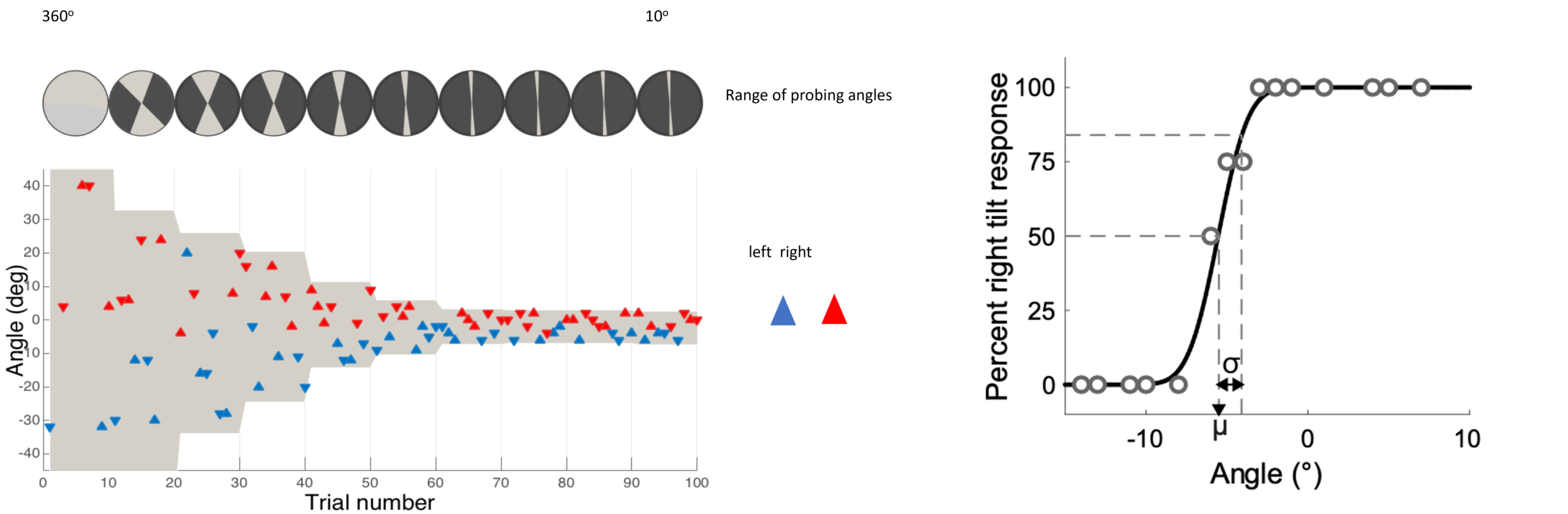
Psychophysical tasks
We have developed a set of psychophysical tasks for accurate measurement of perceived head position and spatial orientation. These tasks rely on simple, controlled visual or haptic stimuli such as a visual line or a haptic bar that serve as external references for estimating head-in-space or orientation in space relative to gravit. Responses are collected using a joystick interface within a two-alternative forced-choice design, allowing for systematic variation of stimulus parameters across trials. This approach enables the construction of psychometric functions, from which perceptual bias and variability can be quantified.
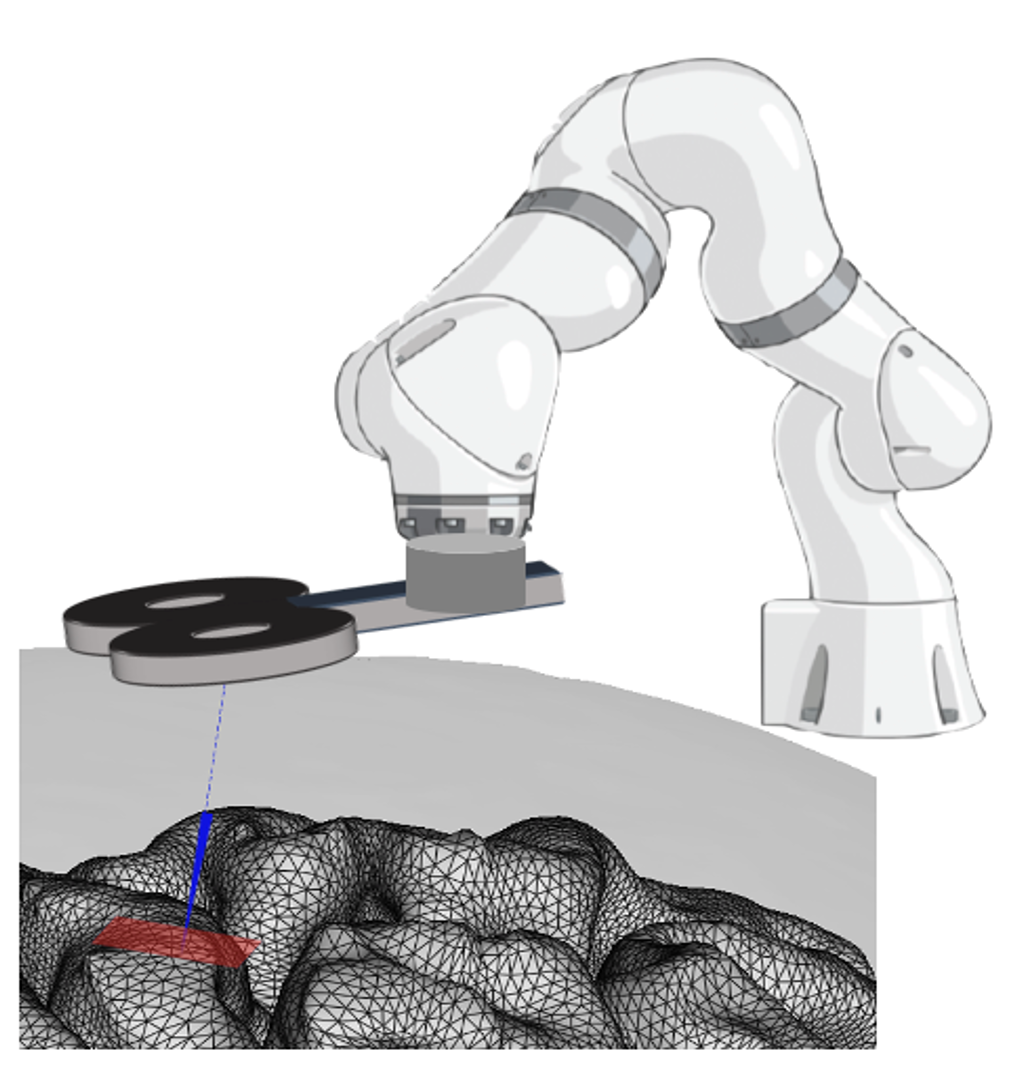
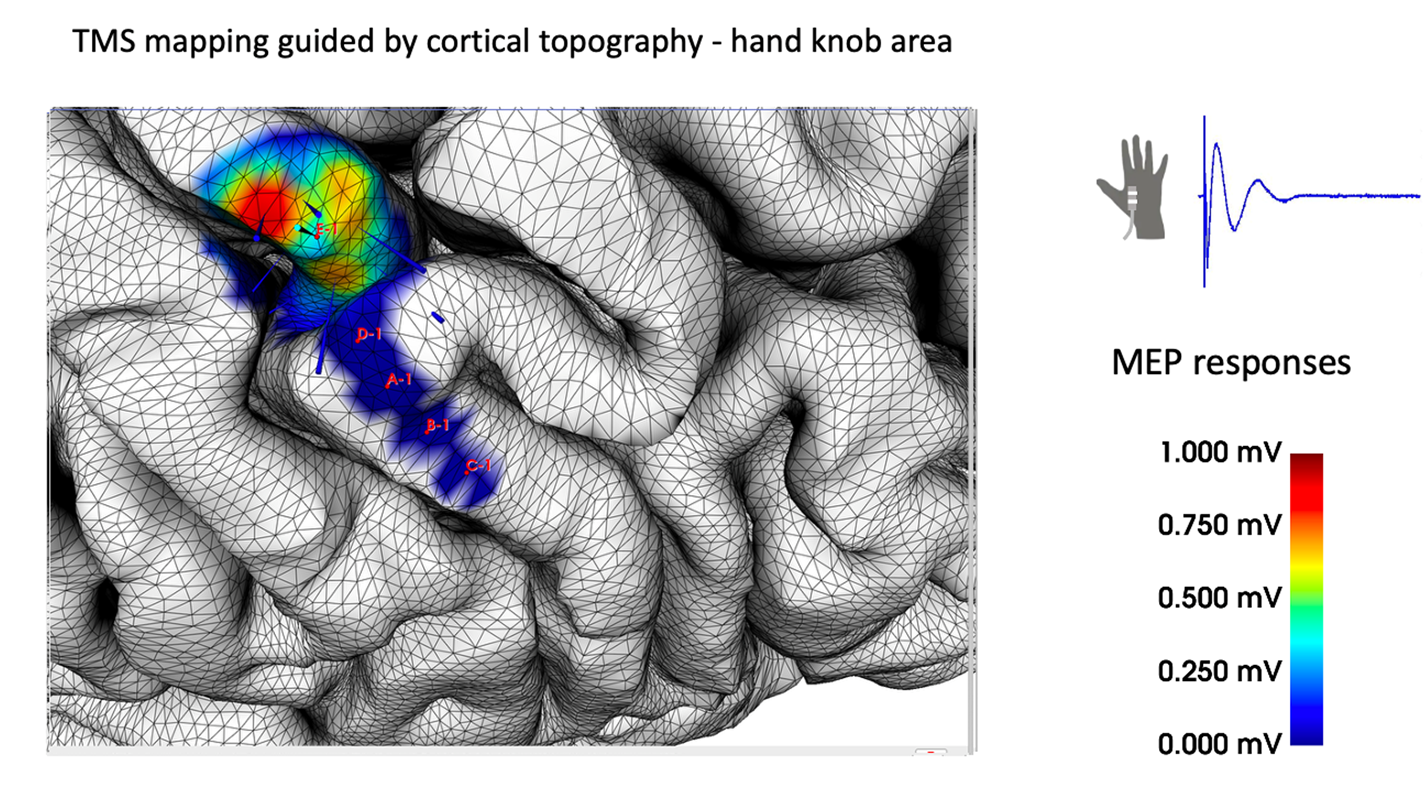
Topographic-guided transcranial magnetic stimulation
Transcranial magnetic stimulation (TMS) provides a robust framework for probing and modulating human brain function. We have developed a method that incorporates intricate cortical topography for TMS application. by using individual-specific brain surface geometry to optimize coil positioning and orientation. By reconstructing a brain model from high-resolution MRI, the induced magnetic field can be guided accurately in real time to align with a target cortical area, enabling more precise stimulation of the underlying neural structures. Combining this approach with robotic assistance can enhance accuracy of TMS coil placement and reduce variability, improving overall TMS outcomes.
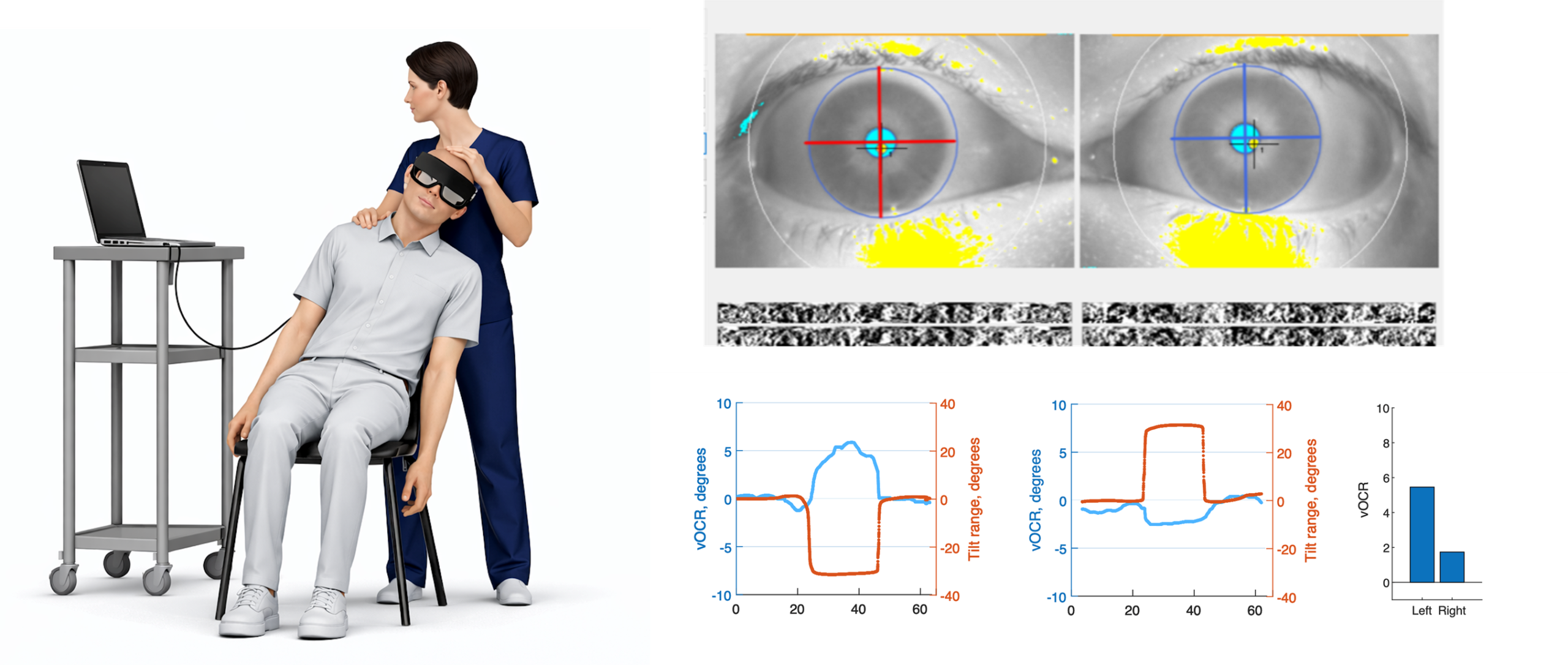
video Ocular Counter-Roll (vOCR)
The vOCR test provides a rapid and effective way to quantify otolith–ocular function by measuring the eye’s response to gravity during static head tilt. It works by tracking torsional eye position—how the eyes rotate around the line of sight. When the head is tilted to one side, the change in gravitational force stimulates the otolith hair cells, triggering a compensatory torsional vestibulo-ocular response. Based on this principle, the vOCR test developed by our group can detect deficits in vestibular function related to gravity sensing and distinguish patterns across different stages of dysfunction. The test is simple to perform: the head and body are passively tilted together while the subject maintains fixation on a target straight ahead.
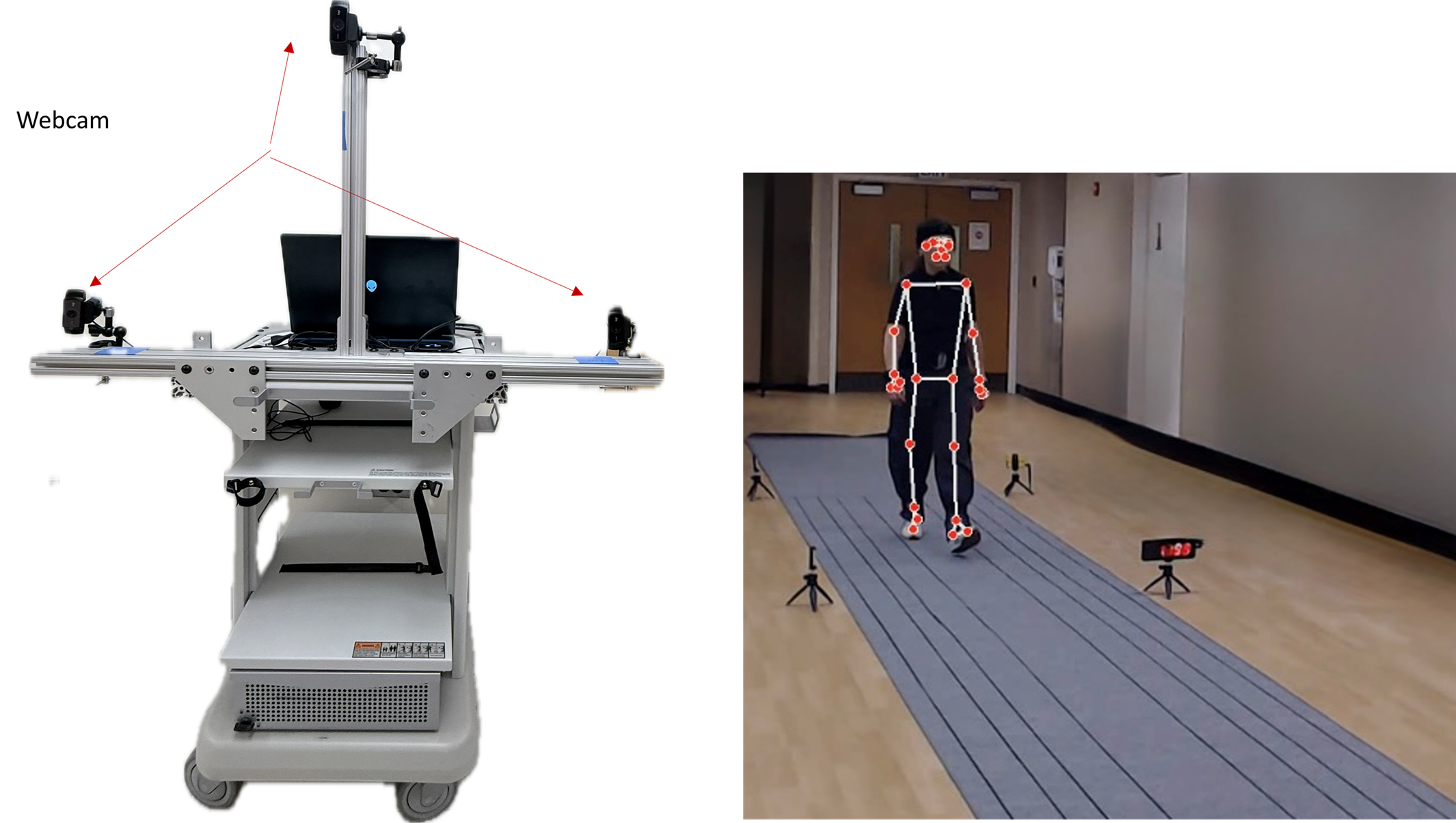
Video method for measurement of balance/posture
Gait and posture analysis are key components of balance assessment, offering direct insight into underlying clinical impairments. These measures help clinicians assess fall risk, characterize compensatory strategies, and understand how sensory and motor systems interact to maintain postural stability. To advance accessible and objective assessment methods, we have developed a marker-less, cost-effective system for quantifying 3D body posture and motion in both patient and control populations. Our approach uses a deep-learning–based pose estimation model combined with synchronized cameras to track anatomical landmarks in three degrees of freedom without the need for wearable sensors or specialized motion-capture equipment. This accessible setup allows for both static and dynamic evaluation of posture and balance, including during active or passive gait tasks. Importantly, the system can detect subtle postural responses in healthy individuals and in patients with balance disorders. The capacity for real-time analysis further increases its clinical utility, offering a practical tool for assessing balance, monitoring rehabilitation progress, and identifying abnormalities in sensorimotor control.

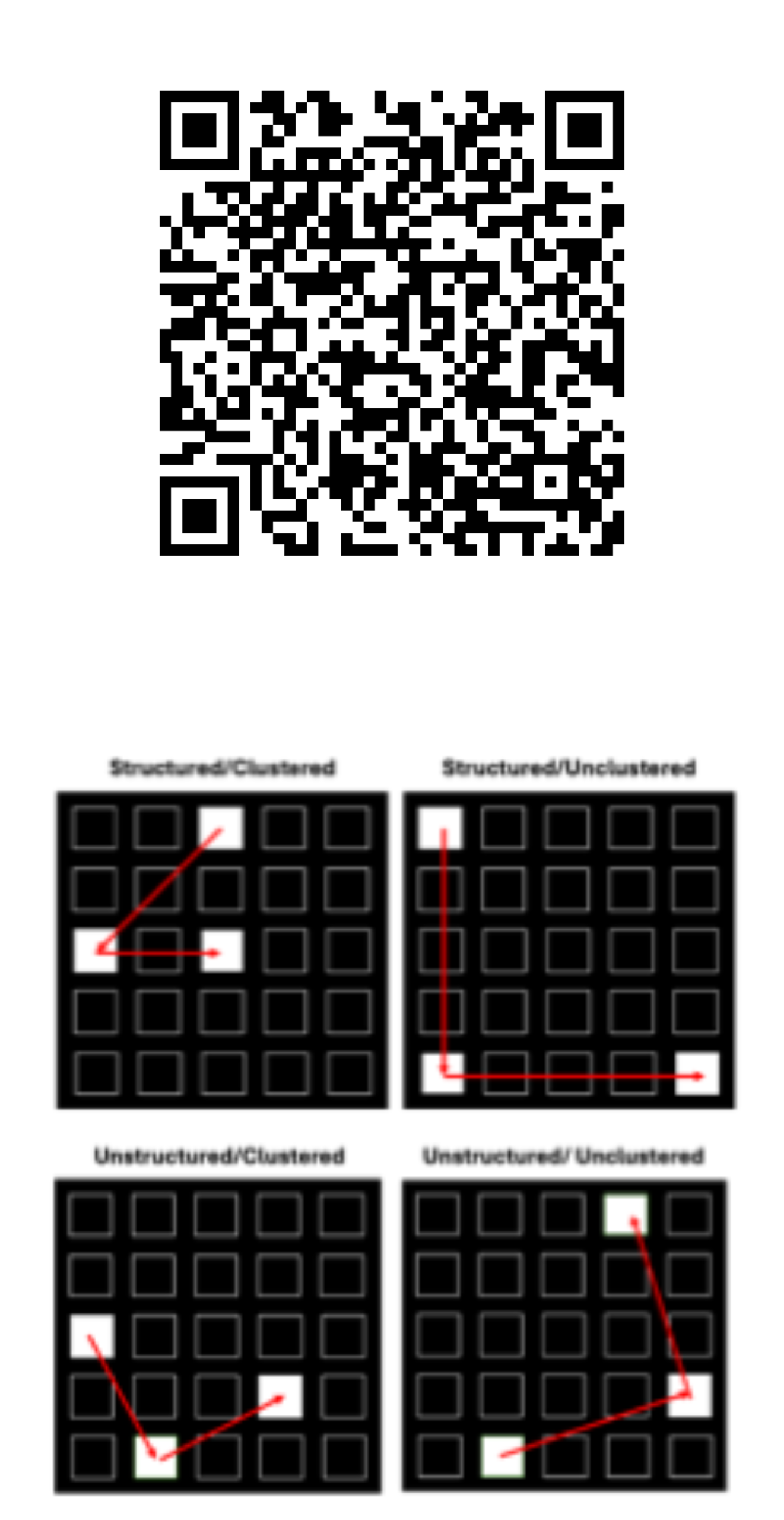
Test of visuospatial memory
The cognitive capability to extract and retain spatial information from visual inputs is known as visuospatial memory. This is commonly assessed using the Corsi task with serial recall of visually presented spatial information. We have developed a modified version of the Corsi task that can control for key components that can affect visuospatial memory including recall type, display duration of items, and spatial organization of sequences . A virtual reality setup provided a controlled, low-distraction environment for testing.
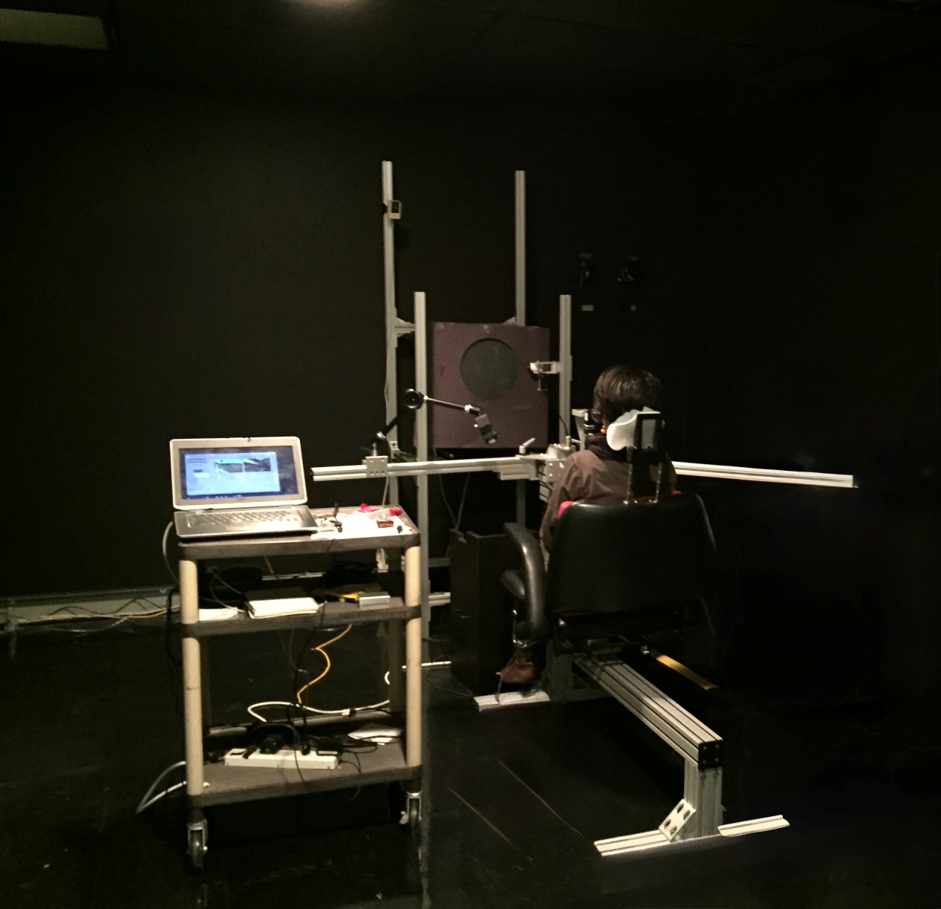
Integrated Rotational Motion and Eye Movement Recording Platforms
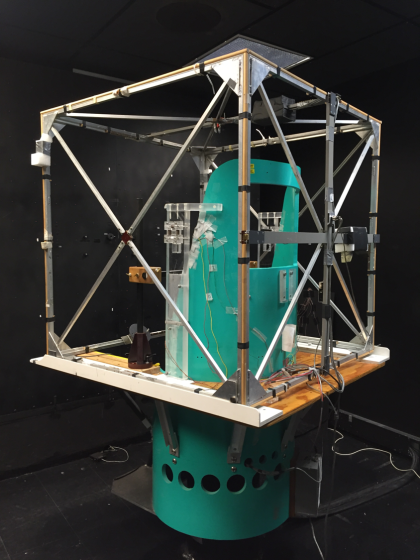
We developed custom-built rotary chair systems to deliver controlled rotational stimuli in different planes while enabling simultaneous recording of eye movements using video-oculography (VOG) and scleral search coil techniques. The platform provides precise control of rotational parameters including angular velocity and acceleration. In particular, the roll-tilt mechanism allows accurate and stable positioning in the roll plane, enabling controlled modulation of head orientation relative to gravity. The system is designed to minimize head motion and ensure precise alignment with the axis of rotation. This integrated setup enables acquisition and comparison of VOG and search coil measurements.
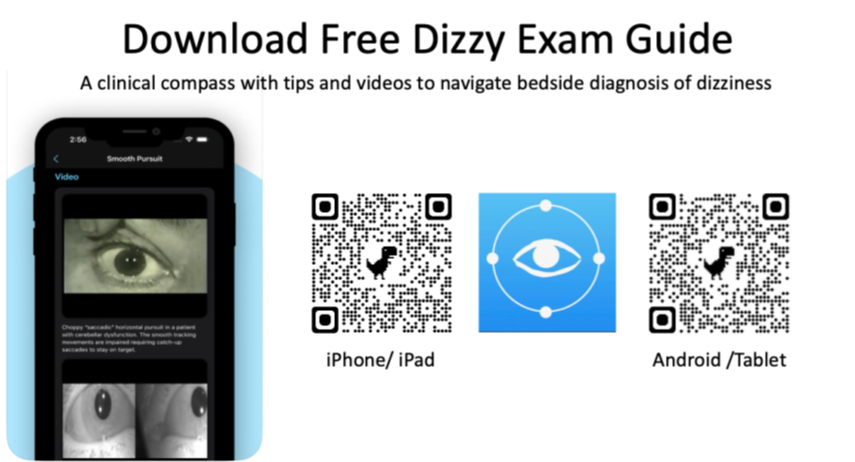
Dizzy exam guide
This educational app provides a concise guide to taking a clinical history and performing bedside examinations for the assessment of dizziness. It is designed to serve medical trainees and is exclusively intended for educational purposes. The app breaks down key components of eye movement and vestibulo-ocular examination. The content includes clinical interpretations, video examples, and instructions on focused examinations for specific diagnostic questions. Users can review the main findings in common vestibular and ocular motor disorders. In addition, the app provides summaries of central and peripheral signs, which can be helpful in evaluation of acute vestibular syndrome.